
There’s a lot of stigma around bat rolling, and honestly, most of it is confused. Some folks think it’s flat-out illegal. Others think it’s totally fine because “everybody does it.” The truth sits in between. A number of coaches will still recommend rolling composite bats before game one, but that doesn’t mean a rolled bat is automatically legal for sanctioned play. It depends on the outcome, not just the process.
If rolling is done to simply speed up the natural break-in process and the bat still performs within factory specs, most people treat it as a gray area rather than outright cheating. But if the rolling (or anything else done to the bat) pushes performance past what the manufacturer certified, most governing bodies will call that an altered bat, and altered bats are banned from sanctioned games. Shaving is a different story entirely, and it’s illegal everywhere. So let me walk you through the proper way to roll a bat, what it actually does, and where the rules stand today.
How To Roll a Softball Bat?
Rolling a softball bat is pretty simple in concept. The bat gets run through a bat rolling machine, which is a pair of rollers that rotate and squeeze the barrel as it passes between them. The goal is to gradually stretch the composite fibers, the clear coat, and the paint. That reduces the stiffness of a brand-new bat and adds flex to it, which is exactly what hundreds of live swings would do anyway, just a lot faster.

Different bats can handle different amounts of pressure before they break in properly. Push too hard and you’ll damage the bat instead of breaking it in. So before you roll anything, know what pressure that specific bat model can handle. This is one of the biggest reasons I tell people to get their first bat rolled by someone who does it professionally rather than guessing with a machine at home.
What Does Rolling a Softball Bat Mean?
Bat rolling means you’re speeding up the break-in process of the bat. A composite bat can take anywhere from 500 to 800 swings against real balls to fully break in and reach its peak performance. That’s a lot of batting practice before a bat feels like itself. Rolling compresses the barrel mechanically so it mimics that same wear pattern in a matter of minutes instead of weeks, and the bat is basically game-ready right after.
What Does Rolling a Softball Bat Do?
As I mentioned, rolling compresses the barrel of the bat. It stretches the composite fibers evenly along the length of the barrel instead of leaving them stiff and uneven the way a brand-new bat naturally is.
There are a few real benefits to rolling a softball bat:
· Gives power
When you buy a brand-new bat, the fibers are stiff and haven’t loosened up yet. Rolling stretches those fibers and gives you more of that trampoline effect on contact, so the ball tends to jump off the barrel a little better. If you’re wondering how much of that extra distance actually comes down to bat weight versus barrel flex, I broke that whole question down separately in does a heavier softball bat hit farther.
· Gets rid of dead spots
Even after a bat is fully broken in, you’ll often notice a few dead spots on the barrel. That happens because the ball doesn’t hit the exact same spot every swing, so some sections of the barrel never fully flex out. Rolling applies even pressure across the whole barrel, which knocks out most of those dead spots at once. If you’re not sure whether your bat has actually gone dead or just needs a normal break-in, I’ve got a full breakdown in how to tell if a softball bat is dead.
· Time saver
Breaking in a new composite bat the natural way takes a lot of hits, sometimes 500, sometimes closer to 800 depending on the bat. Rolling gets you to game-ready in an afternoon instead. But there’s a real downside too.
Rolling shortens the lifespan of a bat, and the harder you roll it, the more you shorten it. Some players believe more pressure equals a “hotter” bat, and while more compression does increase flex, pushing it too far weakens the barrel structurally. That’s how a rolled bat ends up cracking after a handful of hits instead of holding up for a season.
Is Rolling a Softball Bat Illegal?
This is genuinely a gray area, and I’d rather give you the honest, slightly messy answer than pretend it’s simple. Under NFHS softball rules, materials inside the bat or treatments and devices used to alter the bat’s specifications or enhance performance are prohibited and render the bat illegal, and the NFHS rule text specifically calls out shaving, rolling, and artificially warming the barrel as examples. So under NFHS rules, rolling is named directly as a prohibited treatment.
USSSA doesn’t call out “rolling” by name either, but it prohibits altered bats broadly, and its directors can pull a bat for inspection at any point. If a bat tests outside its certified performance range, it gets treated as altered regardless of how it got that way.
USA Softball (the group formerly known as ASA) takes a similar approach. Its current rulebook does not ban the physical act of rolling by name, but it does ban altered bats, and a bat is considered altered once it’s been changed in a way that affects its listed specifications or performance. In practice, that’s the line rolling can cross if it’s done too aggressively.
So to be fair to the other side of the debate, plenty of players argue that a lightly rolled bat that still passes a compression or performance check hasn’t technically been “altered” at all, just broken in faster. That argument holds up better in casual or unsanctioned play than it does at a certified umpire’s inspection table. If you want the full side-by-side of how USSSA and USA Softball actually differ on bat standards, I go through it in USSSA vs ASA (USA Softball) softball bats.
How Do You Tell If a Bat Is Rolled or Shaved?
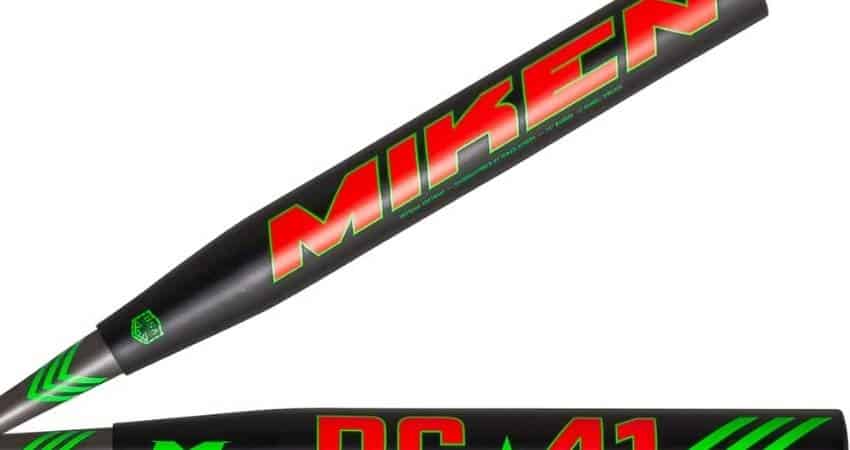
It’s usually tough to tell if a bat’s been rolled. Done properly, rolling doesn’t change the length or the outward dimensions of the bat. But there are a few tells if you know what to look for.
Rolling tends to give the paint on the barrel a spider-web crack pattern. The label and clear coat can start to peel. And on bats with bigger barrels, you can sometimes feel faint ridges by running your hand along the surface.
Shaved bats are easier to spot. Start with the weight. A shaved bat almost always weighs lighter than it should for its listed spec.
You can also check the end cap. Sometimes there are marks where it’s been removed and reglued. Or you can take the cap off entirely and inspect the inside of the barrel yourself.
Compression testing is the other option, and it’s what most umpires and officials actually use. It measures the flex of the inner barrel walls and flags anything outside the certified range.
How To Heat Roll a Softball Bat?
Heat rolling is basically the same process with one extra step. You heat the bat before running it through the rollers. Heat temporarily loosens the composite fibers, which makes the barrel easier to compress.
The catch is that the stretch is temporary. Once the bat cools back down, the fibers shrink back toward their original state, which cuts into how much the rolling actually accomplished. Most rolling professionals I’ve talked to consider heat rolling a shortcut that trades some long-term effectiveness for a faster session.
Does Rolling a Softball Bat Work?
Yes, bat rolling does what it’s supposed to do. You skip the natural break-in period, and it clears out dead spots along the barrel.
If you’ve handled a lot of bats and know what you’re doing, you can roll one at home. But if this is your first time, get it done professionally. You need to know exactly how much pressure a specific bat can take, or you risk cracking the barrel instead of breaking it in.
How To Shave a Softball Bat?
Shaving comes after rolling. You can’t shave a bat that hasn’t been rolled first. Once the bat is rolled, the end cap is removed. Then, using a digital lathe or a drill, the inner layer of composite material gets shaved down. Typically you can remove about 0.5 to 2 ounces of weight from the bat this way.
What Does Shaving a Softball Bat Do?
Shaving completely changes the physics of the bat. It has some real advantages, but the tradeoffs are serious too.
Advantages
- Thinning out the inside of the bat makes it noticeably lighter, so the player can whip it through the zone faster.
- It boosts the trampoline effect. Players who shave often report the ball carrying noticeably deeper into the field.
Disadvantages
- Shaving hurts durability. A shaved bat can crack or fail after just a handful of hits.
- It voids the manufacturer’s warranty, every time, no exceptions.
Are Shaved Softball Bats Illegal?
Yes, without exception. Shaving a softball bat is illegal in every sanctioned league, and getting caught with one is a serious penalty, not a slap on the wrist. Depending on the association, a player can be suspended for years or banned for life.
Under USA Softball’s current procedural code, for example:
- Article 310(L)(07): Anyone caught using a non-approved bat is ejected from the game and referred to the protest committee for further action.
- Article 310(L)(08): A player found in possession of an altered bat faces a minimum five-year suspension from USA Softball play.
- The same article covers teams: a team found with an altered bat can be suspended from tournament competition and USA Softball play for a minimum of two years.
USSSA runs a similarly strict system. Its directors can inspect a bat at any time, and confirmed alterations carry penalties up to a five-year suspension, with lifetime bans for repeat offenders. USSSA has also tightened enforcement in recent seasons, so don’t assume a shaved bat will slip through unnoticed just because it did last year.
The exact penalty always comes down to which association’s rulebook governs your league, so don’t assume the numbers above apply everywhere. For a closer look at how corking (a different kind of illegal alteration) gets treated under the same altered-bat rules, check out can you cork a softball bat.
Does A Shaved Bat Sound Different?
Yes. Since shaving hollows out the inside of the barrel, a shaved bat sounds noticeably hollower on contact than a stock bat.
Does Shaving a Softball Bat Work?
Yes, it works. It adds more flex, increases the trampoline effect, and can add real distance to a hit ball. But it comes at a cost, and it noticeably shortens the lifespan of the bat.
In the End
Rolling or shaving a softball bat is your call to make. If you’d rather let a bat break in naturally, nobody’s forcing you to do otherwise, and plenty of players prefer it that way. Both processes are simple enough to do at home, or you can hand the bat off to a professional.
If you do decide to roll your bat, check with your coach first, and understand what you’re actually risking, both in terms of the bat’s lifespan and your standing if you play sanctioned games. As for shaving, if it’s strictly a backyard or practice bat for your kid, that’s your business. But bring a shaved bat into a league tournament and you’re looking at real penalties, not just a warning.
Bottom line, know your league’s current rulebook before you touch a bat with a roller or a lathe. Rules get updated, enforcement gets stricter, and “that’s how we always did it” isn’t a defense at an equipment check. Hope this helps.

With 4 years of Division II experience, a .272 career batting average, .410 on-base percentage, and 7 home runs, I’m now in my fifth season. I’ve played baseball since age 3, alongside future MLB Draft picks, and I aim to pursue a career in baseball professionally, be it playing, coaching, or scouting.